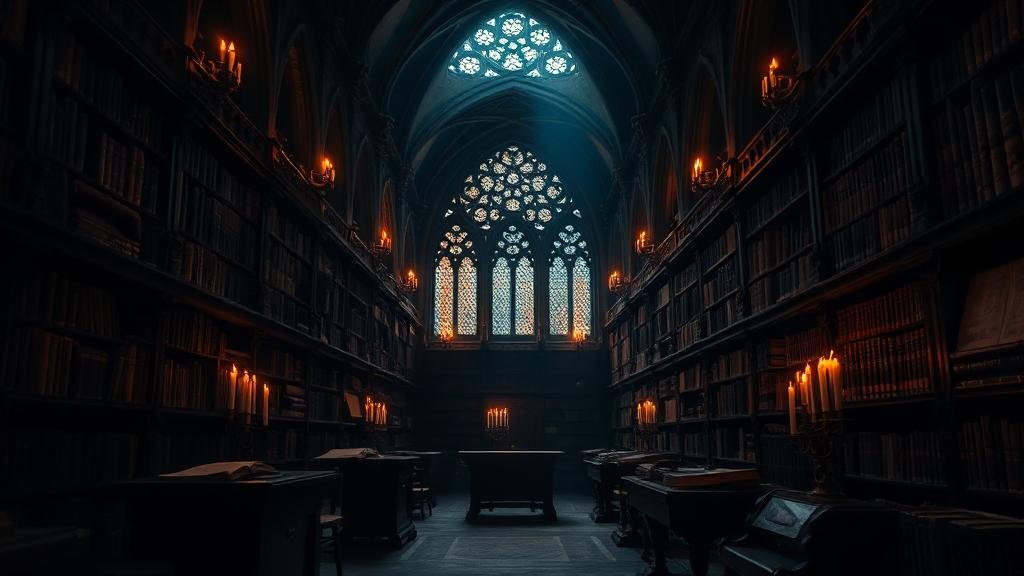
The Norwegian black metal movement of the early 1990s represents one of the most culturally significant—and controversial—developments in the history of extreme music. Beyond the sensationalized narratives of church burnings and violence that have dominated popular discourse, lies a complex web of philosophical, aesthetic, and ideological motivations that deserve serious academic consideration.
## The Existentialist Foundation
At its core, Norwegian black metal emerged from a profound sense of alienation from modern society. The movement’s architects—Euronymous, Varg Vikernes, and their contemporaries—drew explicitly from existentialist philosophy, particularly the works of Friedrich Nietzsche and Martin Heidegger. Their rejection of Christianity was not merely adolescent rebellion, but a considered response to what they perceived as the nihilistic void at the heart of Western civilization.
The music itself reflects this philosophical position. The characteristic tremolo-picked guitar riffs, blast-beat drumming, and shrieked vocals create an atmosphere of cosmic insignificance—a sonic representation of humanity’s precarious position in an indifferent universe.
## Aesthetic as Ideology
Unlike many metal subgenres, Norwegian black metal placed exceptional emphasis on visual presentation and atmospheric coherence. The corpse paint, the pseudonyms, the deliberately lo-fi production aesthetic—these were not mere affectations but deliberate artistic choices intended to create a complete aesthetic experience.
This totalization of artistic vision—music, image, philosophy, and lifestyle unified into a single expression—represents a distinctly Wagnerian approach to art-making. The Gesamtkunstwerk ideal, transposed into the context of extreme metal, produced works that demanded engagement on multiple levels simultaneously.
## Contemporary Relevance
Three decades later, Norwegian black metal’s influence extends far beyond its genre boundaries. Its aesthetic innovations have permeated mainstream visual culture, its musical techniques have been absorbed into countless genres, and its philosophical provocations continue to generate scholarly debate.
More significantly, the movement’s radical rejection of commercial considerations in favor of artistic purity offers a compelling counter-narrative to the increasingly corporate nature of contemporary music production. In an era of algorithmic playlists and manufactured viral moments, black metal’s uncompromising stance feels more relevant than ever.
## Conclusion
The Norwegian black metal movement merits serious academic study not despite its extremity, but because of it. By pushing musical, visual, and ideological boundaries to their limits, these artists created a body of work that illuminates fundamental questions about art, authenticity, and meaning in the modern world.
Future scholarship must move beyond the sensationalized narratives that have dominated public discourse and engage seriously with the movement’s artistic and intellectual achievements. Only then can we fully appreciate the significance of this remarkable cultural phenomenon.
1 thought on “The Philosophical Underpinnings of Norwegian Black Metal: A Scholarly Reexamination”
Hi, this is a comment.
To get started with moderating, editing, and deleting comments, please visit the Comments screen in the dashboard.
Commenter avatars come from Gravatar.